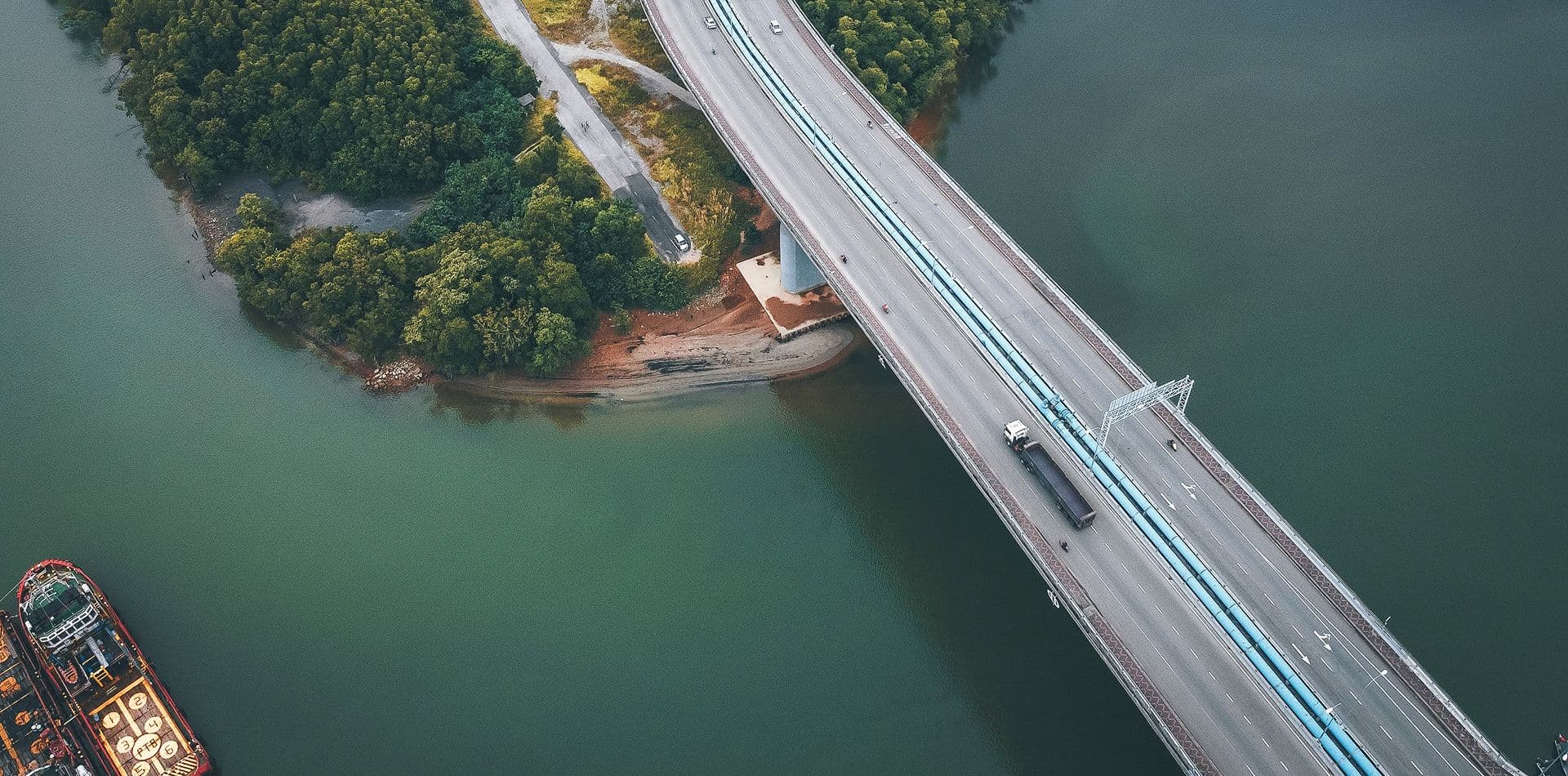

Modern supply chains rarely follow a simple path. Goods may move between suppliers, manufacturers, warehouses, ports, distribution centers, and customers across multiple countries before reaching their final destination. Each stage depends on the one before it. A delayed shipment can affect production, inventory, customer orders, and delivery schedules further along the chain. Our supply chain solutions bring these moving parts together. By coordinating transportation, warehousing, customs, and distribution requirements, we help businesses maintain a clearer view of their logistics and keep goods moving efficiently across every stage. From sourcing and international transportation to final delivery, we focus on creating a connected flow that supports your wider supply chain.
International supply chains involve more than moving goods between two locations. They require coordination across different transportation modes, suppliers, countries, regulations, schedules, and service providers. Without a coordinated approach, businesses can face unnecessary delays, inconsistent information, inventory challenges, and gaps between different stages of the journey. A connected supply chain brings these elements together.By understanding how each movement affects the wider operation, logistics teams can plan transportation more effectively, identify potential issues earlier, and make decisions based on the complete supply chain rather than a single shipment.
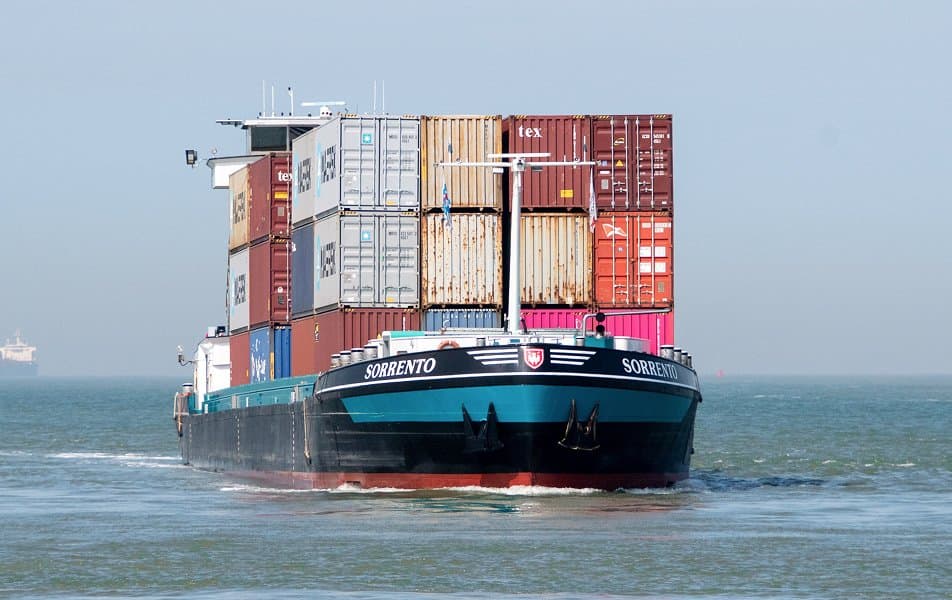
A stronger supply chain begins with connecting every movement, handoff, and decision along the journey.
Effective supply chain logistics starts with understanding how goods move from their point of origin to their final destination. Rather than looking at individual shipments in isolation, we consider the wider network and the requirements at every stage. Our team looks at transportation routes, supplier locations, inventory requirements, warehouse capacity, delivery schedules, and international requirements. This helps create a logistics plan that supports both immediate shipments and broader supply chain objectives.We consider:
- Supplier and production locations
- International transportation requirements
- Inventory and delivery schedules
- Warehousing and distribution needs
- Transportation modes and route options
- Customs and cross-border requirements
- Shipment timing and critical milestones
- Potential disruptions and alternative routes
A supply chain works best when information and goods move together. Each handoff between suppliers, carriers, warehouses, and distribution points needs to happen at the right time and with the right information. We coordinate the logistics activities that connect these stages, helping businesses maintain greater visibility across their supply chain.
- Coordinate suppliers and logistics providers
- Manage transportation between key locations
- Align warehouse and distribution requirements
- Track important shipment milestones
- Support cross-border movements and documentation
- Keep delivery schedules aligned across the network
Cross-border supply chains introduce requirements that can vary significantly between countries and markets. Documentation, customs procedures, import requirements, transportation regulations, and local operating conditions can all influence how goods move. These requirements need to be considered as part of the transportation plan rather than handled separately at the last stage. Missing information or an unexpected border issue can interrupt the movement of goods and affect downstream operations. Our logistics teams coordinate the international requirements surrounding each movement, working to ensure transportation plans account for customs, documentation, border crossings, and other relevant considerations. This helps businesses manage international movements with greater preparation while keeping transportation connected to the wider supply-chain schedule.
Supply chains are rarely static. Customer demand changes, suppliers adjust production, transportation capacity shifts, and unexpected disruptions can affect even carefully planned operations. A flexible logistics approach helps businesses respond without losing sight of the wider supply chain. When one part of the network changes, transportation and distribution plans may also need to be adjusted. We work with businesses to review changing requirements, coordinate alternative solutions, and maintain continuity where possible. This may involve adjusting transportation routes, changing schedules, arranging additional storage, or coordinating alternative providers. The focus remains on keeping critical connections working while adapting the logistics plan to the conditions at hand.
Supply chains are rarely static. Customer demand changes, suppliers adjust production, transportation capacity shifts, and unexpected disruptions can affect even carefully planned operations. A flexible logistics approach helps businesses respond without losing sight of the wider supply chain. We work with businesses to adjust transportation plans, coordinate alternative solutions, and manage changing requirements as they arise. Whether supporting regular international movements or responding to an unexpected disruption, the focus remains on maintaining continuity across the supply chain. The goal is simple: keep goods moving, keep critical connections working, and help businesses stay prepared as their supply chain evolves.